Introduction to the Tesla Model 3
The Tesla Model 3 has emerged as one of the most significant developments in the electric vehicle market since its introduction. Launched in 2017, this all-electric sedan was designed with the intention of making electric transportation more accessible and appealing to a broader spectrum of consumers. With its comparatively lower price point in the Tesla lineup, the Model 3 has effectively challenged traditional gas-powered sedans, redefining expectations surrounding electric mobility.
Upon its release, the Model 3 surpassed many market barriers by providing an affordable option for those interested in transitioning to electric vehicles. This sedan stands out not only due to its price but also because of its performance, safety features, and cutting-edge technology. The blend of range, efficiency, and innovative design play a crucial role in its consumer appeal, making it an attractive alternative for both environmentally-conscious drivers and the general public.
Key features such as advanced autopilot capabilities, a minimalistic interior design centered around a large touchscreen interface, and over-the-air software updates have made the Model 3 a benchmark for modern electric sedans. Its ability to offer a long driving range on a single charge continues to alleviate concerns that potential buyers may have regarding electric vehicles. Furthermore, the availability of various configurations—from standard versions to performance models—caters to diverse consumer needs, further solidifying its status in the market.
In essence, the Tesla Model 3 has not only positioned itself as a game-changer in affordable electric transportation but is also pivotal in shaping the future of the automotive industry. By democratizing access to electric vehicles, it has set a precedent that influences both consumer expectations and manufacturer strategies, promoting the transition to a more sustainable automotive landscape.
Design and Interior Features of the 2026 Model
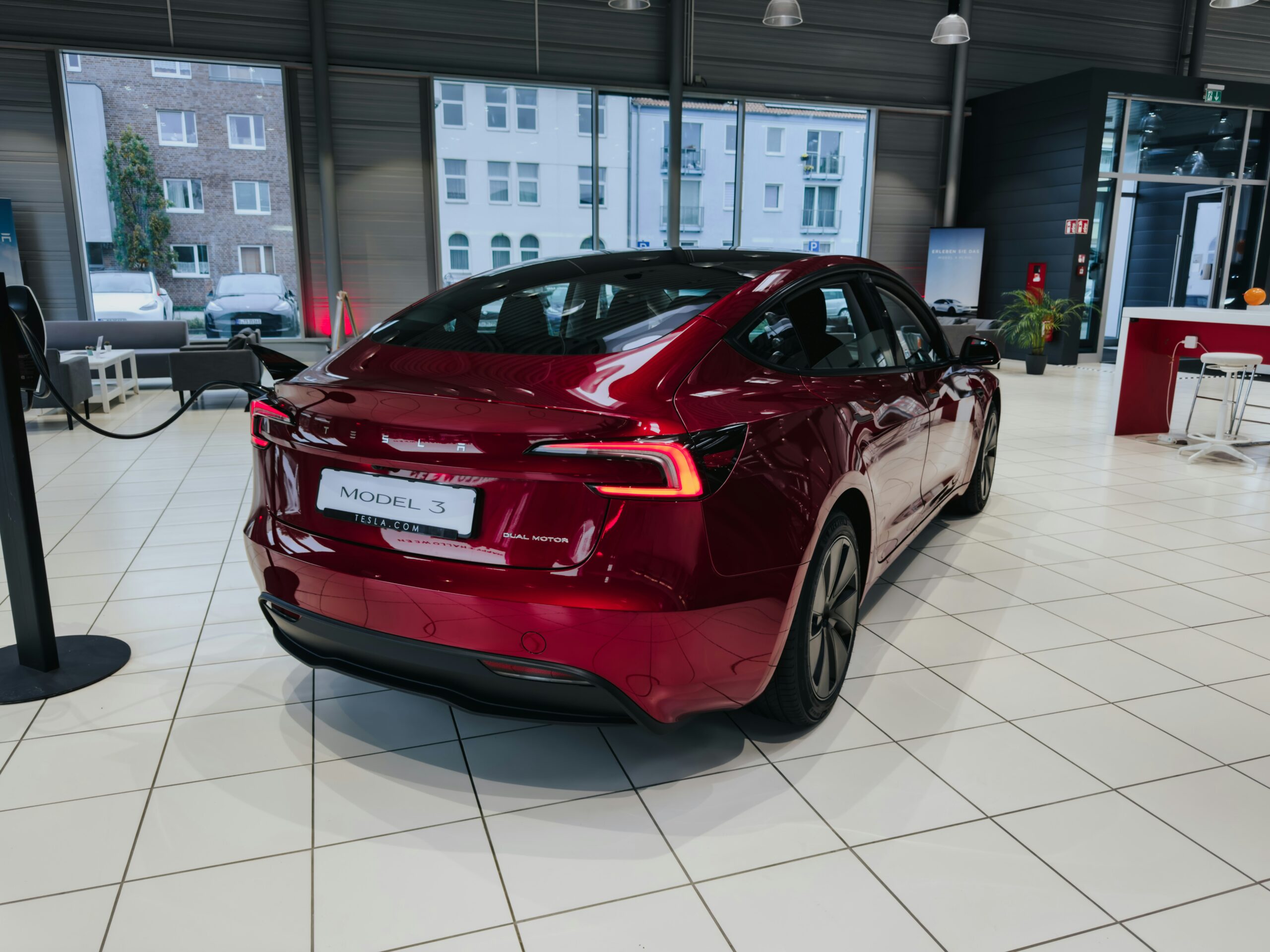
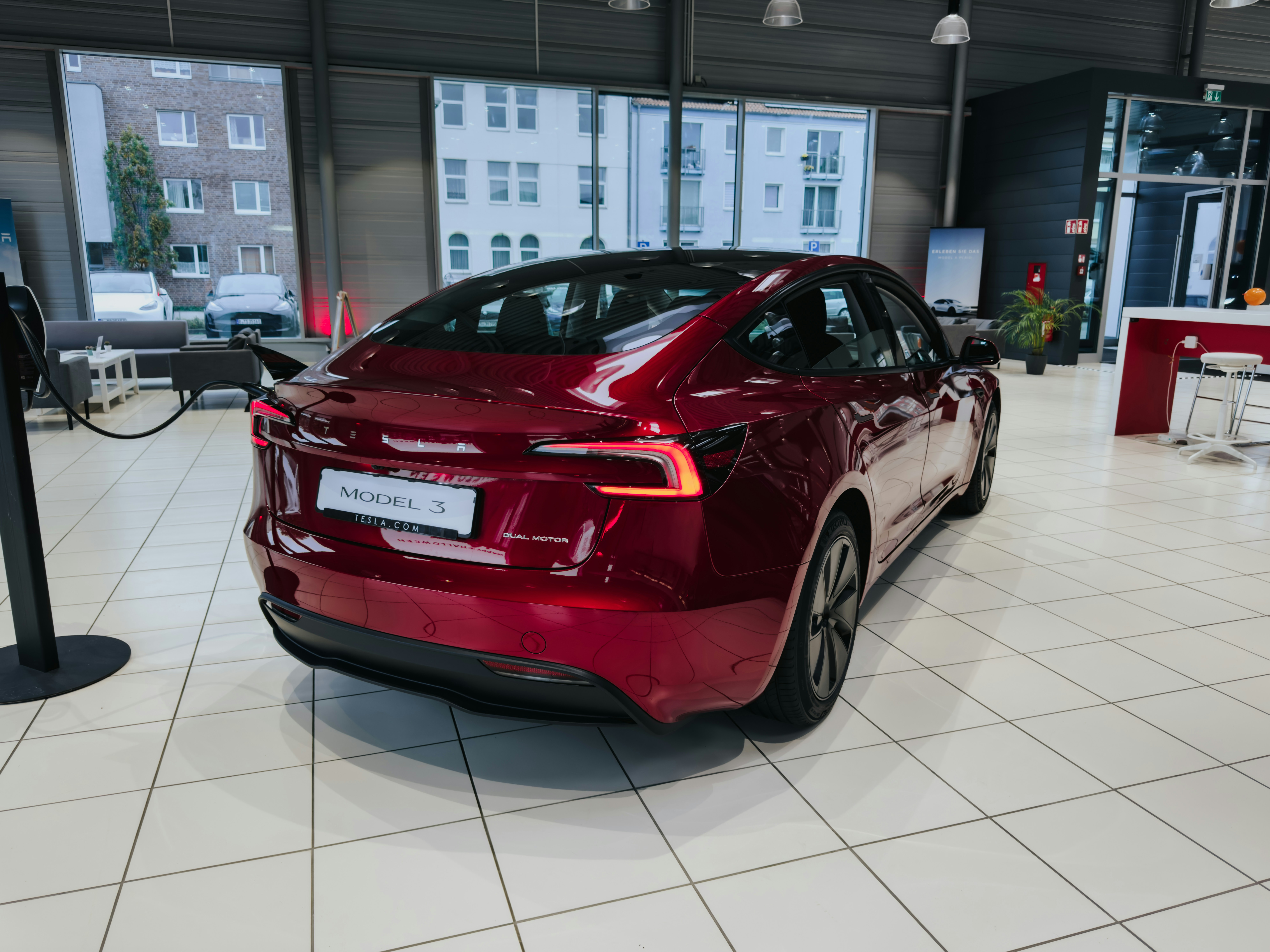
The 2026 Tesla Model 3 showcases a refined design that emphasizes both aesthetics and functionality. While retaining the sleek silhouette characteristic of Tesla’s design language, subtle updates have been made to enhance its visual appeal. The front fascia features redesigned headlights with a modern LED configuration that not only improve visibility but also give the vehicle a sharper look. Additionally, new color options have been introduced, allowing buyers to select from a palette that complements the Model 3’s futuristic design.
Inside the cabin, the Model 3 demonstrates a commitment to premium materials and ergonomic comfort. Upgrades in upholstery choices have elevated the overall quality, with options for sustainable leather and high-grade fabrics that provide a luxurious feel. The seating offers superior comfort and ample support, designed to accommodate both short and long journeys. The spacious interior ensures that both front and rear passengers benefit from generous legroom and headroom, maintaining the Model 3’s reputation as a practical family sedan.
The dashboard interface has seen significant technological advancements as well. The center display remains a focal point of the interior, now equipped with enhanced responsiveness and user interface improvements that facilitate ease of access to various functions. This includes an upgraded infotainment system that seamlessly integrates various applications for navigation, entertainment, and vehicle diagnostics. Tesla’s commitment to continuous software updates ensures that the Model 3 remains competitive with the latest tech trends, keeping the infotainment system modern and user-friendly.
Performance and Efficiency
The 2026 Tesla Model 3 boasts impressive performance metrics that further establish its dominance in the electric sedan segment. Enhanced acceleration times characterize this iteration, with the standard variant achieving 0 to 60 mph in just 5.3 seconds. The dual-motor all-wheel-drive model, however, delivers a remarkable sprint, clocking in at approximately 3.1 seconds, which places it in the performance-minded category of electric vehicles. Such acceleration is complemented by the vehicle’s responsive handling, attributed to a low center of gravity and a well-engineered suspension system.
When it comes to energy efficiency, the 2026 model has seen notable improvements. The new drivetrain incorporates advanced electric motor technology, allowing for a more efficient energy transfer and reduced power loss. Furthermore, the vehicle features adjustable driving modes that enhance user experience, allowing drivers to tailor their performance preferences – whether that be efficiency for longer commutes or sport mode for a more dynamic driving sensation.
Battery life and range remain pivotal considerations for electric vehicle buyers. The Tesla Model 3 now offers an estimated range of 358 miles on a single charge, making it suitable for both city driving and longer road trips. In comparison to previous models and competitors, this range signifies a tangible evolution in battery technology, enabling drivers to undertake extended journeys without frequent recharging interruptions. With fast-charging capabilities, recharging the battery to about 80% in just 30 minutes significantly enhances the vehicle’s practicality. Overall, the performance and efficiency of the 2026 Tesla Model 3 reflect ongoing advancements in electric vehicle technology, ensuring that it continues to meet and exceed consumer expectations.
Comparative Analysis with Competitors
The 2026 Tesla Model 3 continues to be a prominent contender in the electric sedan market, yet it faces increasing competition from various manufacturers. Key competitors include the Ford Mustang Mach-E and the Hyundai Ioniq 6, both of which have garnered attention for their innovative features and attractive pricing. A thorough comparative analysis of the features, performance, and pricing of these electric sedans will help elucidate the standing of the Model 3 in this competitive landscape.
Starting with pricing, the 2026 Tesla Model 3 is positioned in the mid-range segment of electric sedans, with a base price that offers a blend of affordability and advanced technology. In comparison, the Ford Mustang Mach-E provides a competitive price range, appealing to consumers looking for versatility without a hefty price tag. The Hyundai Ioniq 6, on the other hand, attracts budget-conscious buyers with its lower starting price while still showcasing considerable specifications.
When it comes to performance, the Tesla Model 3 is well-regarded for its steadfast acceleration and efficiency, placing it among the top performers in its class. The Mustang Mach-E has impressed users with robust performance metrics, especially in its GT variant, while the Ioniq 6 offers an adequate performance package with a focus on comfort and range. User reviews across various platforms have pointed out that the Model 3 excels in delivering a blend of performance and technological integration, setting a high benchmark for competitors.
Features also play a pivotal role in the decision-making process for prospective buyers. The Tesla Model 3 is equipped with cutting-edge technology, including an advanced infotainment system and extensive driver-assistance features. Comparatively, the Mustang Mach-E offers a stylish interior with similar technology, while the Ioniq 6 emphasizes user-friendly interfaces and spacious cabin design.
As consumer preferences shift towards electric vehicles, the competition for the top spot in the electric sedan market grows more intense. By critically examining pricing, performance, and user feedback, it becomes clearer whether the Tesla Model 3 retains its title as the best electric sedan or if alternatives are rising to the occasion.