1953 Chevy Farm Truck Gets a Whole New Interior With a Modern Leather Upgrade
A weathered classic pickup is gaining a more refined cabin as its restoration moves beyond mechanical upgrades and into the details that make a truck enjoyable to drive.
When a Work Truck Gets a Taste of Luxury
Old farm trucks have a unique appeal. Their worn bodywork, simple interiors and unmistakable shapes tell the story of a time when pickups were primarily built to work.
But once a classic truck receives modern power and chassis upgrades, the original cabin can begin to feel out of place.
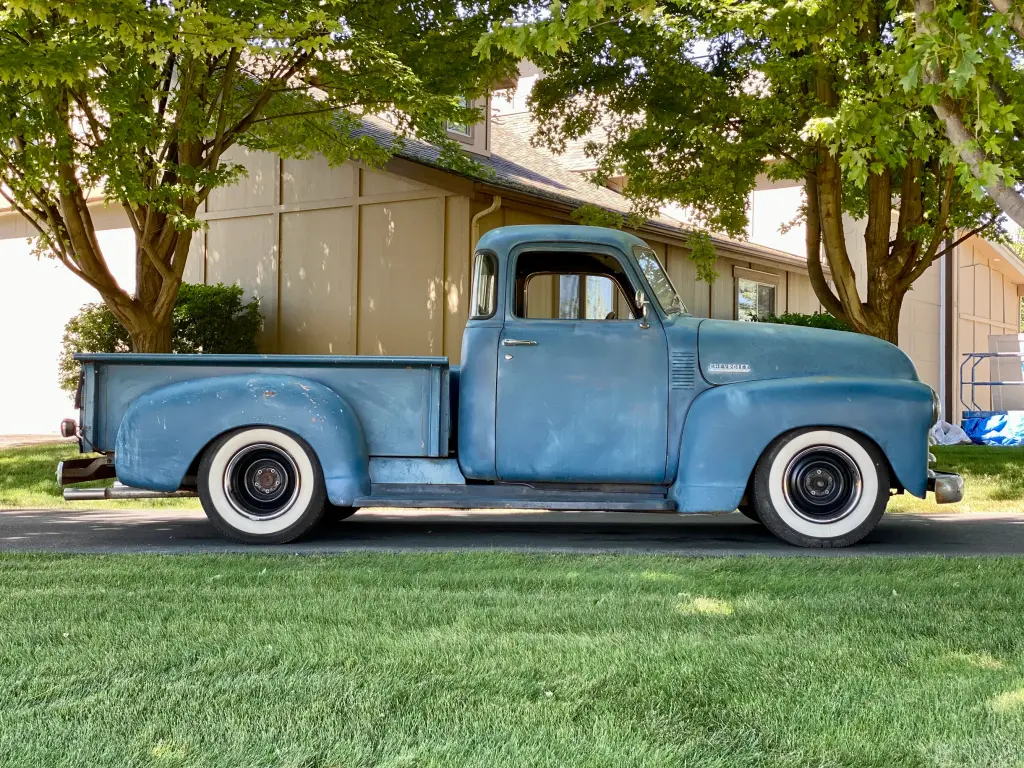
That is exactly where this 1953 Chevrolet 5 Window Farm Truck project finds itself. The exterior retains its character while the interior has been transformed with a much more sophisticated approach.
It still looks like an old Chevrolet pickup, but the cabin is being developed to provide the comfort and finish expected from a modern restomod.
The Farm Truck at a Glance
This is not simply an untouched vintage pickup with a new seat. The project has been developed as an LS-powered restomod with the interior now becoming one of its standout features.
The Interior Finally Gets the Attention It Deserves
After the mechanical and exterior work on a classic project, interior upgrades can sometimes be pushed down the priority list.
That changes the moment the truck is actually being driven regularly. Seats, trim, comfort and overall cabin presentation become much more important when the vehicle is being used rather than simply displayed.
The new leather interior gives the truck a significantly more finished feel and creates an interesting contrast with its vintage exterior.
Leather Changes More Than the Look
A quality leather interior can completely change the atmosphere inside an old vehicle. The material introduces a more refined appearance while also giving the driver and passengers a cabin that feels substantially more intentional.
In a restomod, that contrast can be particularly effective: vintage metal and classic styling outside, with modern comfort and craftsmanship inside.
Why Interior Quality Matters in a Restomod
Driving Comfort
A classic truck becomes much easier to enjoy when its cabin provides comfortable seating and a more refined environment.
Visual Contrast
A carefully finished interior can create a striking contrast against a weathered or patina-style exterior.
Better Ownership Experience
Interior improvements affect every drive because the driver spends the entire journey surrounded by the cabin.
Overall Presentation
A complete interior helps make the entire project feel finished rather than mechanically complete but visually unfinished.
The Beauty of Keeping Some Vintage Character
One of the most appealing aspects of this type of build is that the interior does not have to match the age of the exterior.
The truck’s aged appearance and developing patina give it a sense of history, while the leather cabin moves the experience in a more contemporary direction.
Modernizing a classic does not always mean making every surface look brand new. Sometimes the strongest designs deliberately combine preserved character with carefully selected modern improvements.
From Showpiece to Something You Actually Drive
The truck had already become a vehicle that could be enjoyed on the road, with the project update noting that it had been driven during the summer.
That is an important milestone for any long-running classic-car project. A vehicle can spend months or even years being worked on, but the real reward comes when it finally leaves the garage.
Build the Foundation
Address the major mechanical and structural requirements first.
Make It Roadworthy
Get the vehicle operating reliably enough to begin real-world testing.
Improve the Cabin
Once the truck is being used, comfort and interior finish become much easier to evaluate.
Refine the Details
Small cosmetic and mechanical issues can then be identified and corrected as the project matures.
Even a Finished Interior Doesn’t Mean the Project Is Finished
One of the most realistic aspects of the project is that the truck still had mechanical details requiring attention.
A small radiator leak had appeared, while an unusual engine noise was still being investigated.
Getting a vehicle back on the road often reveals issues that are impossible to identify while the car is sitting on a lift. Real driving exposes cooling, vibration, electrical and drivetrain problems that may require another round of refinement.
A Fresh Patina Keeps the Vintage Personality Alive
Another interesting part of the project is the decision to touch up the exterior with a new patina treatment rather than simply giving the truck a conventional modern paint finish.
The intention is not to disguise the truck’s age. Instead, the finish can help integrate areas that had previously shown black primer and create a more consistent weathered appearance.
For the right classic truck, an intentionally aged appearance can preserve the personality that would disappear beneath an overly polished restoration.
Finding the Right Balance Between Old and New
The most successful restomods often succeed because they know where to modernize and where to stop.
Keep the Identity
The classic shape and historical character should remain easy to recognize.
Upgrade the Experience
Comfort, power, braking and handling can be improved without destroying the original personality.
Make It Usable
A classic that can be driven regularly provides a different kind of enjoyment from one that only appears at shows.
Finish With Purpose
Every interior and exterior change should support the overall design rather than simply adding more parts.
What This Farm Truck Teaches Us About Classic Builds
The biggest lesson is that a restomod is not finished simply because the engine runs.
The driving experience is created by the entire vehicle: powertrain, chassis, brakes, seating, controls, interior materials, exterior appearance and countless smaller details.
This Chevrolet demonstrates how a classic work truck can evolve into something much more sophisticated while still retaining the visual character that made the original vehicle interesting.
A truck that still feels like a 1950s Chevrolet from the outside, but offers enough modern comfort and performance that you actually want to drive it.
Frequently Asked Questions
What truck is featured in this project?
The project is based on a 1953 Chevrolet 5 Window pickup.
What type of engine does the truck use?
It is described as an LS-powered restomod.
Why add a leather interior to an old farm truck?
The upgraded interior improves comfort and gives the cabin a more refined appearance while contrasting with the truck’s vintage exterior.
Does the project still have mechanical issues?
At the time of the supplied project update, a small radiator leak and an unexplained engine noise were still being investigated.
Why keep a patina-style exterior?
A patina-style finish can preserve the personality and visual history of an old truck while allowing selected areas to be refreshed.
The Farm Truck Gets a New Interior — Without Losing Its Soul
The 1953 Chevrolet Farm Truck is a great example of how a classic vehicle can evolve without becoming unrecognizable.
Its LS-powered restomod character gives it modern performance potential, while the new leather interior brings a level of comfort that the original work truck could never have offered.
At the same time, retaining the vintage exterior character and patina-style appearance keeps the truck connected to its roots.
That combination may be what makes the project so appealing: it is not trying to erase the past. It is building a new driving experience around it.
BLOG4CARS.COM — Classic cars, trucks, restomods and the stories behind automotive projects.
Join the conversation
Be the first to share your thoughts.
Leave a comment