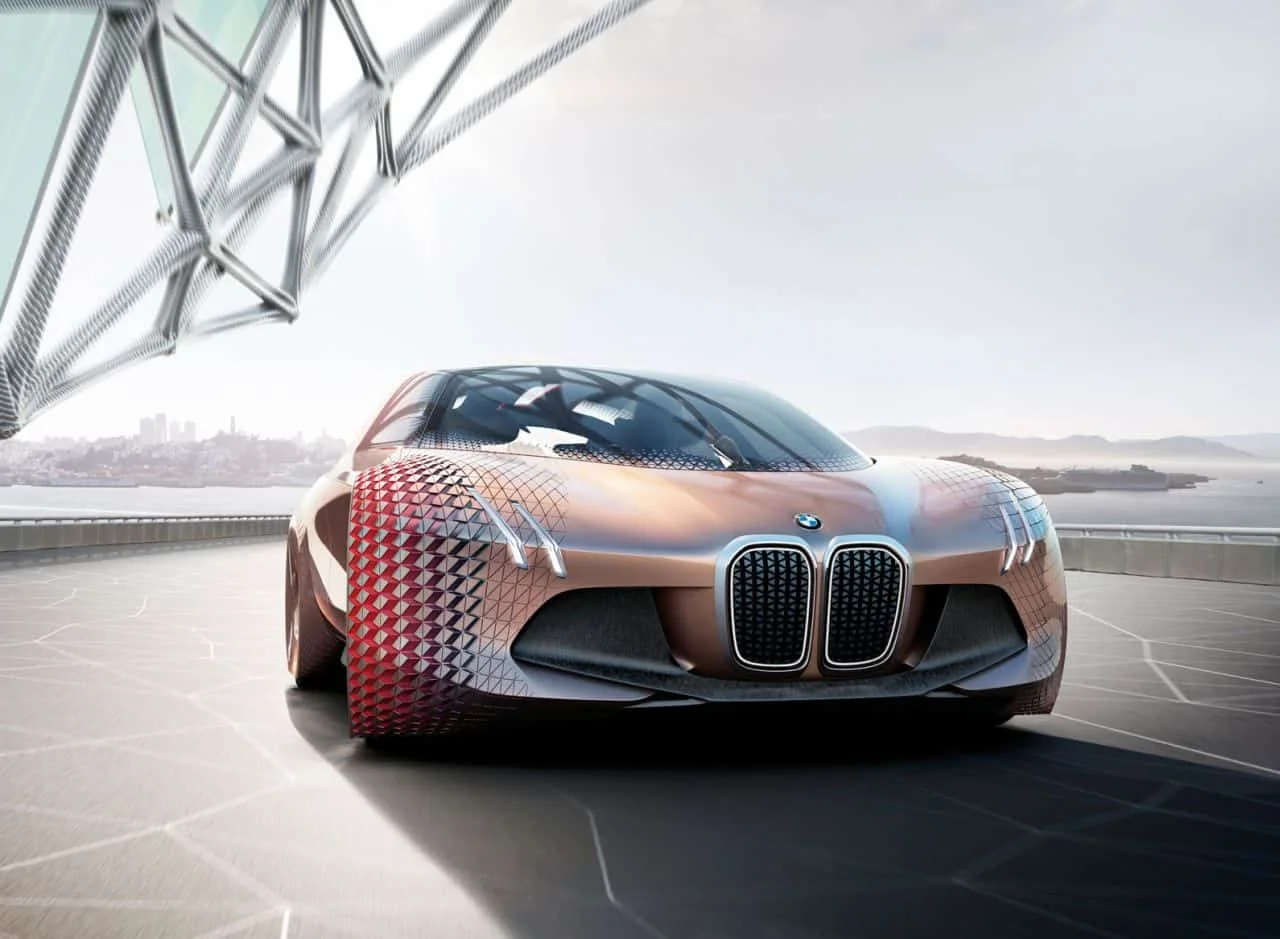
Could Self-Driving Supercars Actually Hurt the Performance-Car Industry?
Autonomous driving could transform the automotive world, but what happens when advanced technology meets cars built around speed, sound and driver involvement?
Quick Take: Self-driving technology could make cars safer and more convenient, but excessive automation may challenge one of the biggest reasons people buy performance cars in the first place — the driving experience.
When Technology Meets the Supercar
The automotive industry is moving rapidly toward greater electrification, connectivity and driver-assistance technology. Autonomous driving is another major part of that transformation, with manufacturers investing heavily in systems designed to reduce the amount of work required from the driver.
For ordinary commuters, this can be extremely appealing. Sitting in traffic while the vehicle handles acceleration, braking and lane positioning could make everyday travel easier and less stressful.
But supercars are different.
A high-performance car is not purchased simply to get from one destination to another. For many owners, the attraction comes from the interaction between the driver and the machine.
The Driver Is Part of the Experience
Performance cars are engineered around the idea of driver involvement. Steering feedback, throttle response, braking feel, engine sound and gear changes all contribute to the experience.
A modern supercar may use sophisticated computers to manage its engine, transmission, suspension and aerodynamics, but the driver still plays a central role.
If future supercars become capable of driving themselves in almost every situation, manufacturers will have to answer an important question: how much control should the driver actually have?
What Makes a Supercar Special?
- Steering feedback
- Engine and exhaust sound
- Throttle response
- Braking feel
- Gearshift interaction
- Acceleration and cornering performance
- The sense of connection between driver and car
Could Automation Remove the Emotion?
One of the biggest concerns surrounding autonomous supercars is not necessarily safety or technology. It is emotion.
A computer can potentially calculate the fastest or most efficient way through a corner, but driving enthusiasts often enjoy the process of learning how a car behaves and improving their own skills.
There is a difference between being transported quickly and actually driving a fast car.
For many enthusiasts, that distinction is fundamental to the appeal of a supercar.
What Happens to Performance Driving?
Modern supercars are already extremely capable. Electronic stability systems, traction control, launch control, adaptive suspension and sophisticated aerodynamic systems allow drivers to extract enormous performance from these machines.
Autonomous technology could take this even further by allowing software to manage many of the variables involved in high-performance driving.
That could produce spectacular lap times, but it might also change the meaning of performance. If the computer is responsible for most of the driving, how much of the achievement belongs to the driver?
The Supercar Industry Could Face a New Challenge
The biggest manufacturers of exotic cars have built their reputations around performance, craftsmanship, exclusivity and emotional appeal.
Brands such as Ferrari, Lamborghini, Porsche, McLaren and Aston Martin sell more than transportation. Their products are often marketed as experiences and expressions of automotive passion.
If autonomous driving becomes the dominant expectation across the automotive market, manufacturers may need to work harder to preserve the emotional side of their performance cars.
Electrification and Autonomy Are Different Things
Electric powertrains and autonomous driving should not automatically be treated as the same trend. An electric supercar can still provide intense acceleration, precise handling and an engaging driving experience. The bigger question is how much control the driver retains as automation becomes more advanced.
There Are Major Benefits to Autonomous Technology
It is important to look at both sides of the argument. Autonomous and advanced driver-assistance systems could provide significant benefits when properly designed and responsibly used.
Technology that can assist with braking, collision avoidance, lane positioning and other driving tasks could potentially reduce human error in many situations.
For everyday transportation, those benefits could be far more important than the traditional driving experience.
The challenge is finding a balance between making cars safer and preserving the reasons enthusiasts continue to love driving.
Perhaps the Future Will Offer Both
One possible solution is to separate everyday autonomous transportation from enthusiast-focused driving.
A future performance car could provide advanced assistance during commuting and heavy traffic while still allowing the driver to take control when conditions and regulations permit.
This would give owners the convenience of modern technology without completely removing the involvement that makes performance cars special.
A Possible Future Supercar Formula
- Advanced safety assistance for everyday driving
- Driver-controlled performance modes where legally permitted
- Highly responsive steering and braking systems
- Immersive sound and feedback
- Intelligent electronic performance systems
- Technology that assists rather than completely replaces the driver
The Human Element Still Matters
Cars have always evolved alongside technology. Electronic fuel injection replaced older systems, automatic transmissions became increasingly sophisticated and computers now control countless vehicle functions.
Yet enthusiasts continue to value the feeling of being connected to a machine.
That emotional connection may become even more important as ordinary transportation becomes increasingly automated.
In a world where most vehicles drive themselves, a car that genuinely allows its owner to participate could become more special, not less.
The BLOG4CARS.COM Take
Autonomous technology does not necessarily have to destroy the supercar experience. The real challenge is finding the right balance. Cars can become safer, smarter and more technologically advanced while still giving enthusiasts the opportunity to experience performance and driver involvement. The future of the supercar may not be about choosing between technology and emotion — it may be about combining both.
Final Thoughts
Self-driving technology could fundamentally change the automotive industry, but the supercar market has a unique advantage: people buy these cars for emotional reasons as much as practical ones.
The manufacturers that successfully combine advanced technology with genuine driver engagement could be the ones that define the next generation of performance cars.
The future may be increasingly autonomous, but there will probably always be enthusiasts who want to feel the road, hear the engine and control the machine themselves.
BLOG4CARS.COM — Automotive news, supercars, technology, reviews, performance cars and everything automotive.
Join the conversation
Be the first to share your thoughts.
Leave a comment