Superbikes That Can Take on Supercars
Some motorcycles deliver astonishing acceleration and top-speed performance that can put them surprisingly close to some of the world’s fastest cars.
Quick Take: Thanks to their extreme power-to-weight ratios, high-performance motorcycles can deliver acceleration and speed that rival much more expensive performance cars.
When Two Wheels Meet Four
Supercars are designed to deliver incredible performance, but they are not the only machines capable of reaching extraordinary speeds. Modern and legendary superbikes have demonstrated that a lightweight motorcycle can compete with much larger performance vehicles in straight-line acceleration and top-speed runs.
The biggest advantage motorcycles have is weight. A powerful engine combined with a relatively lightweight chassis creates an exceptional power-to-weight ratio.
That combination can make certain superbikes incredibly quick, especially when accelerating from a standstill or during high-speed runs.
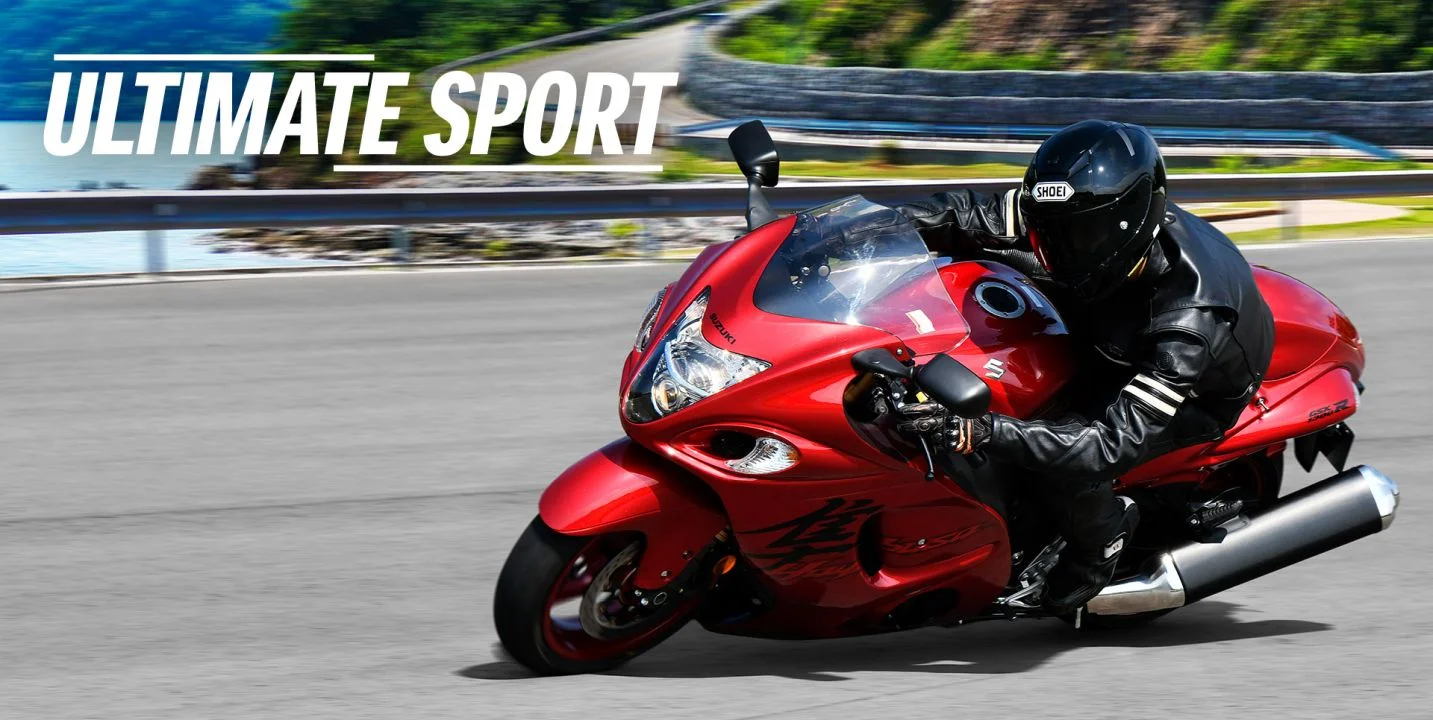
Suzuki Hayabusa
The Suzuki Hayabusa has become one of the most recognizable names in the world of high-speed motorcycles. Its reputation was built around powerful performance, aerodynamic design and remarkable straight-line speed.
The Hayabusa became famous during the era when motorcycle manufacturers were competing aggressively for the title of the world’s fastest production bike. Its streamlined bodywork and large-displacement engine helped establish it as a genuine performance icon.
Why It Stands Out
The Hayabusa combines aerodynamic efficiency, strong acceleration and a legendary reputation, making it one of the motorcycles most often compared with high-performance cars.
Honda CBR1100XX Super Blackbird
Honda’s CBR1100XX Super Blackbird became another major name in the high-speed motorcycle world. It was developed during an intense period of competition between manufacturers looking to build increasingly fast production motorcycles.
Its combination of a powerful engine, aerodynamic bodywork and long-distance capability made it more than just a speed machine. It also offered the kind of versatility that made it suitable for riders who wanted performance without completely sacrificing practicality.
MV Agusta F4 R312
The MV Agusta F4 R312 brought Italian design together with serious performance. The model was developed with an emphasis on high-speed capability and became one of the most interesting superbikes of its era.
Its exotic styling and high-revving engine gave it the character expected from an Italian performance motorcycle, while its aerodynamic design helped it remain stable during high-speed riding.
Italian Performance
The F4 R312 demonstrates that superbike performance is not only about numbers. Design, engineering, engine response and rider involvement are equally important parts of the experience.
Kawasaki Ninja ZX-12R
The Kawasaki Ninja ZX-12R was another motorcycle developed during the intense high-speed competition between Japanese manufacturers.
With its powerful engine and aerodynamic shape, the ZX-12R established itself as one of the fastest production motorcycles of its generation.
Although newer motorcycles have continued to advance in areas such as electronics, chassis technology and aerodynamics, the ZX-12R remains an important part of superbike history.
Yamaha YZF-R1
The Yamaha YZF-R1 is arguably one of the most recognizable names in modern superbikes. Rather than focusing only on straight-line speed, the R1 has traditionally been developed with strong attention to handling, braking and track performance.
Its high-performance engine, lightweight construction and racing-inspired technology have made the R1 a favorite among motorcycle enthusiasts and track riders.
Why Superbikes Can Challenge Supercars
A motorcycle weighs far less than most performance cars.
Large engines combined with low weight create tremendous performance.
Streamlined bodywork helps high-speed motorcycles cut through the air.
Strong engines can deliver extremely rapid acceleration.
Superbike vs Supercar: It’s Not That Simple
Straight-line acceleration is only one part of performance. A supercar has four tyres, a sophisticated suspension system and a much larger contact footprint with the road.
Modern supercars can also use advanced traction control, launch control, active aerodynamics and sophisticated braking systems to put their power onto the road.
Superbikes, meanwhile, offer an entirely different type of performance. Their low weight and direct connection between rider and machine create an experience that a car cannot completely reproduce.
Different Machines, Different Strengths
- Superbikes: lightweight, compact and extremely responsive.
- Supercars: powerful, stable and highly capable through corners.
- Superbikes: exceptional power-to-weight ratios.
- Supercars: advanced traction, braking and aerodynamic systems.
Performance Comes With Responsibility
The performance capabilities of these motorcycles are impressive, but they also demand considerable skill and responsible riding. High-speed riding on public roads can be extremely dangerous.
Riders should always follow local traffic laws, wear appropriate protective equipment and develop their skills in suitable environments such as professional training facilities or closed circuits.
The BLOG4CARS.COM Take
Supercars may get most of the attention, but superbikes prove that incredible performance does not always require four wheels. Lightweight construction, powerful engines and advanced engineering can create motorcycles capable of astonishing acceleration and speed.
Final Thoughts
From the legendary Hayabusa and Super Blackbird to the Yamaha R1 and other high-performance machines, superbikes have repeatedly challenged our expectations of what a motorcycle can do.
They may not replace a supercar, but they offer a completely different interpretation of performance — one that combines speed, lightweight engineering and an intense connection between rider and machine.
BLOG4CARS.COM — Automotive news, motorcycles, supercars, performance cars, reviews and everything automotive.
Join the conversation
Be the first to share your thoughts.
Leave a comment