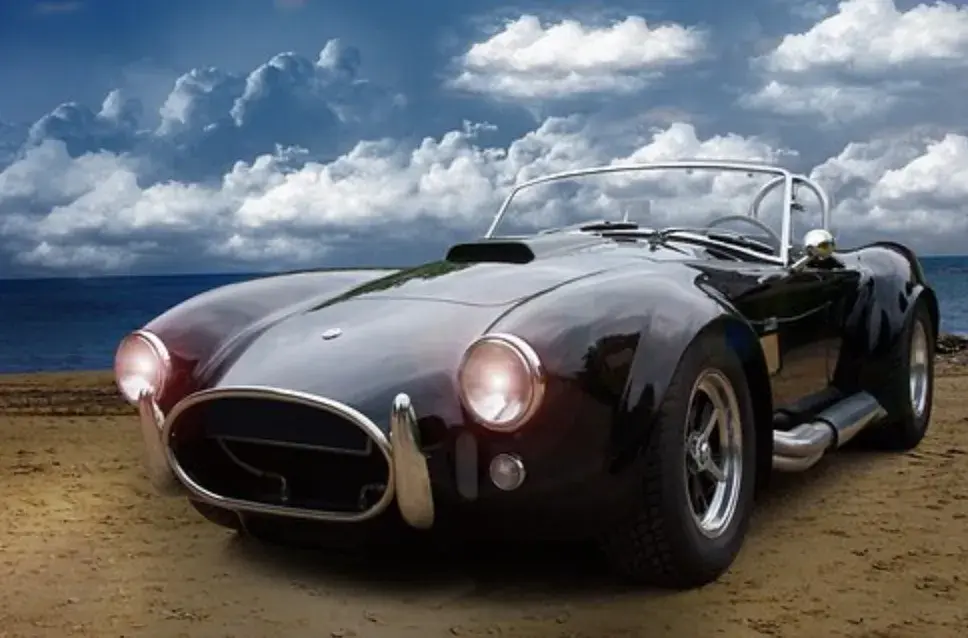
How to Increase the Value of Your Classic Car Without Losing Its Character
A valuable classic is about more than a high price tag. Condition, authenticity, documentation, mechanical health and presentation can all influence how collectors view a car.
What Really Makes a Classic Car Valuable?
Classic-car ownership is about much more than transportation. For many enthusiasts, these vehicles represent design, engineering, history and memories from another era.
When it comes time to sell, however, the emotional connection is joined by a practical question: what makes one classic more desirable than another?
There is no single formula that guarantees a higher selling price. Market demand, rarity, provenance, originality, specification and condition can all play a role.
Improving a classic car’s value does not necessarily mean modifying everything you can. In many cases, careful preservation and excellent documentation can be more valuable than unnecessary upgrades.
Five Areas That Can Strengthen a Classic Car
Think of a collectible car as a complete package. Mechanical condition matters, but so do originality, history, presentation and evidence of proper care.
1. Keep the Mechanical Side Healthy
A beautiful classic that cannot be driven reliably is unlikely to achieve its full potential with serious buyers.
Routine servicing, fluid changes, inspections and timely repairs can help prevent small problems from becoming expensive restoration jobs.
Engine Maintenance
Keep the engine properly serviced and address unusual noises, leaks, overheating or running problems before they become larger issues.
Brakes and Suspension
Braking and suspension systems deserve particular attention because they affect both safety and driving quality.
Electrical Systems
Correct lighting, charging and electrical operation can make the difference between a display car and a usable classic.
Body and Rust
Rust and neglected body damage can quickly become expensive. Early intervention is usually preferable to allowing corrosion to spread.
Keep receipts and service records for the work performed. Good maintenance is even more useful when there is evidence showing what was done and when.
2. Protect the Car’s Original Identity
Originality can be an important part of a classic’s appeal. Collectors may place considerable importance on factory specification, period components and correct details.
This does not mean every modification automatically hurts a vehicle. Period-correct improvements and reversible changes may be viewed differently from permanent alterations that significantly change the car’s identity.
Originality: What Should You Preserve?
Factory Components
When practical, preserve original components and store replaced parts carefully rather than immediately discarding them.
Correct Trim
Interior materials, badges, wheels, instruments and other visual details can contribute significantly to authenticity.
Period-Correct Equipment
If changes are made, consider whether they remain visually and historically appropriate for the vehicle.
Reversibility
Modifications that can be reversed without damaging the car may offer greater flexibility for future owners.
A classic car is not necessarily more valuable simply because it has more modern equipment. Before making major changes, consider how they could affect originality and future collector interest.
3. Build a Complete History File
Documentation can transform a classic car from an interesting vehicle into a well-supported piece of automotive history.
Keep records of restoration work, mechanical repairs, servicing, replacement parts and significant modifications.
Keep Invoices
Store workshop invoices, parts receipts and other important financial records.
Record Dates
Note when important maintenance, restoration and repair work was completed.
Photograph the Work
Before-and-after photographs can help demonstrate the progression of a restoration.
Preserve Historical Material
Original manuals, brochures, service documents and historical photographs can add useful context.
4. Make the Car Presentable
Presentation matters because the first impression often happens before a potential buyer ever examines the engine bay or service history.
A clean, well-presented vehicle allows its design and condition to speak for themselves.
Paintwork
Keep the finish clean and properly protected. Address serious paint defects before they become larger problems.
Interior
Seats, carpets, dashboard surfaces and trim should be cleaned carefully using products appropriate for their materials.
Engine Bay
A tidy engine compartment can demonstrate that the vehicle has received careful attention.
Wheels and Details
Correct wheels, clean brightwork and properly maintained small details can have a surprisingly large visual impact.
5. Let Other Enthusiasts See It
A classic car’s reputation can grow through responsible participation in the enthusiast community.
Local car shows, marque clubs, rallies and enthusiast events can put a well-presented vehicle in front of people who understand what makes it special.
Car Shows
Shows provide an opportunity to present the vehicle and connect with other collectors.
Owners’ Clubs
Specialist clubs can provide valuable information about originality, parts, history and maintenance.
Automotive Events
Driving events can demonstrate that the car is more than a static display piece.
Community Knowledge
Experienced enthusiasts can sometimes identify details or history that might otherwise be overlooked.
Protect the Car Between Drives
Preservation does not stop when the car enters the garage. Storage conditions can have a major influence on the long-term condition of a classic.
Control Moisture
A dry, appropriately ventilated environment can help reduce corrosion risks.
Protect the Paint
Use suitable covers and avoid storage conditions that allow dust, moisture or contaminants to accumulate.
Watch for Leaks
Regularly inspect the garage and vehicle for signs of fluid leaks or developing mechanical problems.
Keep Records Current
Continue adding service and maintenance information even when the vehicle is used only occasionally.
Don’t Assume Every Upgrade Adds Value
One of the biggest mistakes classic-car owners can make is spending heavily on modifications without considering the vehicle’s identity and target market.
A modification may make a car more enjoyable for one owner while making it less attractive to a collector searching for originality.
Will this improve the car’s condition?
Will it preserve or weaken its originality?
Can the change be reversed later?
Classic Car Value Checklist
✓ Mechanical Condition
Is the vehicle properly serviced and mechanically sound?
✓ Authenticity
Are important original or period-correct components preserved?
✓ Documentation
Can you demonstrate the car’s maintenance and restoration history?
✓ Appearance
Is the vehicle clean, presentable and properly protected?
✓ Storage
Is the vehicle protected from moisture, corrosion and neglect?
✓ Market Awareness
Do you understand what collectors of this particular model actually value?
Frequently Asked Questions
Does restoring a classic always increase its value?
Not necessarily. Restoration quality, originality, correctness and market demand all matter. An expensive restoration does not automatically guarantee an equivalent increase in value.
Are original parts important?
They can be very important, particularly for collectors who value authenticity and factory specification.
Should I modify my classic car?
That depends on your goals. If maximum originality and collector appeal are priorities, major irreversible modifications should be considered carefully.
Does documentation really matter?
Yes. Detailed records can help demonstrate how the car has been maintained, restored and cared for over time.
Can regular cleaning affect value?
Proper cleaning and preservation help prevent deterioration and keep the vehicle presentable, although cleaning alone cannot compensate for major mechanical or structural problems.
Preserve the Story, Protect the Value
The best way to strengthen a classic car’s long-term appeal is not necessarily to spend the most money on it.
Consistent maintenance, careful preservation, authentic components, thorough documentation and thoughtful presentation can create a much stronger ownership history.
Most importantly, remember that a classic car is more than an asset. Its history, character and connection to automotive culture are part of what makes it valuable in the first place.
BLOG4CARS.COM — Celebrating classic cars, automotive history and the stories behind extraordinary vehicles.
Join the conversation
Be the first to share your thoughts.
Leave a comment