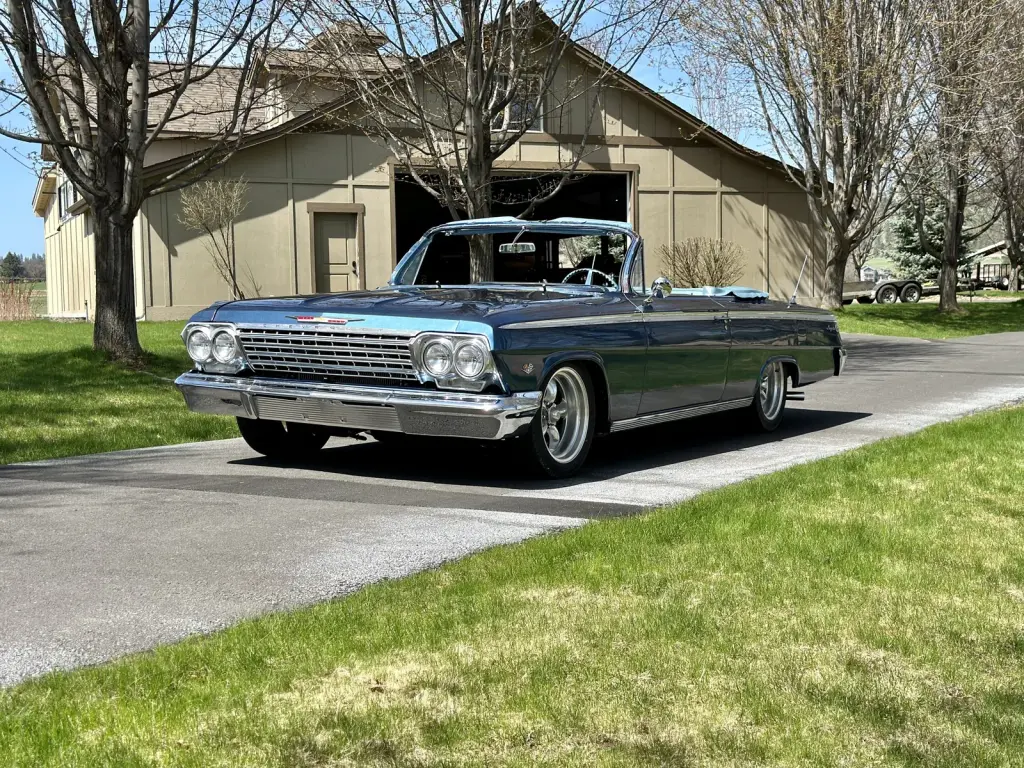
1962 Chevrolet Impala SS Convertible: The Barn Find Gets Closer to the Road
After decades away from the road, a remarkable 1962 Impala SS Convertible is moving through another important stage of its restoration journey.
From Long-Term Storage to the Final Stretch
Some classic cars are valuable because of their rarity. Others become special because of the stories attached to them. A 1962 Chevrolet Impala SS Convertible that has spent more than four decades away from regular road use belongs firmly in the second category.
The latest stage of the project focuses on the practical work needed before the big moment: getting the car properly assembled, aligned, tuned and ready to operate as a road-going classic again.
The project is approaching the point where this long-stored American classic can finally return to the road after more than 45 years away from it.
Why This Stage of a Restoration Matters
A restoration is not finished simply because the paint looks beautiful or the interior has been renewed. A classic vehicle must also function correctly as a complete mechanical system.
That makes the assembly and adjustment phase particularly important. Components have to work together, suspension geometry needs to be correct, and the engine needs to respond properly before the vehicle can be trusted on the road.
The Windshield Is More Than a Cosmetic Detail
One of the tasks mentioned in the project update is the installation of the windshield. On a restoration, this is an important step because glass installation forms part of the transition from a collection of restored components into a functioning vehicle.
Correctly fitted glass also contributes to weather protection, cabin finishing and the overall appearance of the completed car.
Exterior Completion
Installing the windshield helps close another major gap in the exterior restoration process.
Road Preparation
With the vehicle moving toward alignment and mechanical adjustments, proper glass installation becomes part of the larger road-readiness process.
Alignment: The Invisible Part of a Great Classic
Wheel alignment may not attract the attention that a freshly painted body or restored interior does, but it can dramatically influence how a classic car behaves.
Correct alignment helps the vehicle track properly, improves steering behavior and can reduce unnecessary tire wear. For a car that has been stationary for many years and has undergone extensive restoration, checking these settings is especially important.
Carburetor Tuning Brings the Engine Back to Life
Another critical part of the project is carburetor tuning. Older American performance cars rely on mechanical systems that require careful adjustment to achieve the desired balance between starting, idle quality, throttle response and engine operation.
Carburetor tuning is therefore not simply about making an engine sound aggressive. The goal is to establish predictable and consistent engine behavior across different operating conditions.
Idle Quality
Proper adjustment can help the engine maintain a stable idle instead of constantly hunting or stalling.
Throttle Response
Correct fuel and air calibration can help the engine respond more predictably when the driver applies the throttle.
Starting Behavior
A properly adjusted carburetor is important for reliable starting and warm-up behavior.
Road Testing
Final adjustments can be evaluated as the vehicle progresses toward actual road use.
A Restoration Is Really a Chain of Small Victories
Projects like this demonstrate why classic-car restoration takes patience. Major visual work may create the biggest transformation, but countless smaller jobs ultimately determine whether the finished automobile is genuinely usable.
The Barn-Find Story
The Impala began this journey as a long-stored classic with a remarkable history.
Body Restoration
The project progressed through major restoration and paint work before reaching the assembly phase.
Shop Preparation
The car was moved from its previous storage location into the restoration shop for additional work.
Windshield Installation
Glass installation marked another important step toward completing the vehicle.
Alignment and Tuning
Suspension alignment and carburetor adjustments form part of the mechanical preparation for road use.
The Road Ahead
The ultimate objective is to see the Impala return to the road after more than four decades away.
Why the 1962 Impala SS Still Turns Heads
The early-1960s Chevrolet Impala represents one of the most recognizable eras of American full-size automobile design. Long body lines, generous proportions and strong chrome details gave these cars an unmistakable road presence.
The SS designation adds another layer of interest, particularly for enthusiasts who appreciate the performance-oriented side of Chevrolet’s full-size lineup.
Iconic American Styling
The 1962 design belongs to a period when American automobiles emphasized dramatic proportions and distinctive exterior detailing.
Convertible Appeal
Open-top versions add another dimension to the classic American cruising experience.
SS Heritage
The Super Sport identity gives this Impala additional appeal among Chevrolet enthusiasts.
A Genuine Story
More than four decades away from the road makes the car’s return particularly meaningful.
What Happens Before the First Drive?
Before a long-stored classic can safely return to regular road use, the final stages need to be approached carefully. Alignment, engine tuning and assembly are only parts of the process.
Mechanical Inspection
Major mechanical systems should be inspected to ensure the car is ready for operation.
Brake System
Braking components deserve particular attention on any vehicle returning after decades of inactivity.
Fluids and Lubrication
Correct fluids and lubrication are fundamental before road testing begins.
Electrical Systems
Lighting, charging and other electrical systems should be confirmed before regular driving.
For a long-term restoration, the first road test is another stage of learning. Real-world driving can reveal adjustments that are difficult to identify while the vehicle is stationary.
Frequently Asked Questions
What car is being restored?
The project centers on a 1962 Chevrolet Impala SS Convertible barn find.
How long had the car been off the road?
The project update states that it had been more than 45 years since the car was last on the road.
What work is being performed in this stage?
The update focuses on moving the car into the shop, windshield installation and preparation for alignment, along with carburetor-related tuning work.
Why is wheel alignment important?
Proper alignment can improve steering behavior, tracking and tire wear while helping a restored vehicle feel more predictable on the road.
Why is carburetor tuning important?
Correct carburetor adjustment helps establish appropriate fuel and air delivery for starting, idle quality and throttle response.
The Road Is Finally Getting Closer
For a classic that spent more than 45 years away from the road, every completed restoration task represents a major milestone.
The 1962 Impala SS Convertible has moved far beyond its barn-find beginnings. With assembly, alignment and engine tuning becoming part of the final preparation, the most exciting chapter may soon be the first drive.
And for classic-car enthusiasts, few moments are more satisfying than seeing a long-dormant American icon finally return to the road under its own power.
BLOG4CARS.COM — Classic cars, restoration stories and automotive culture.
Join the conversation
Be the first to share your thoughts.
Leave a comment