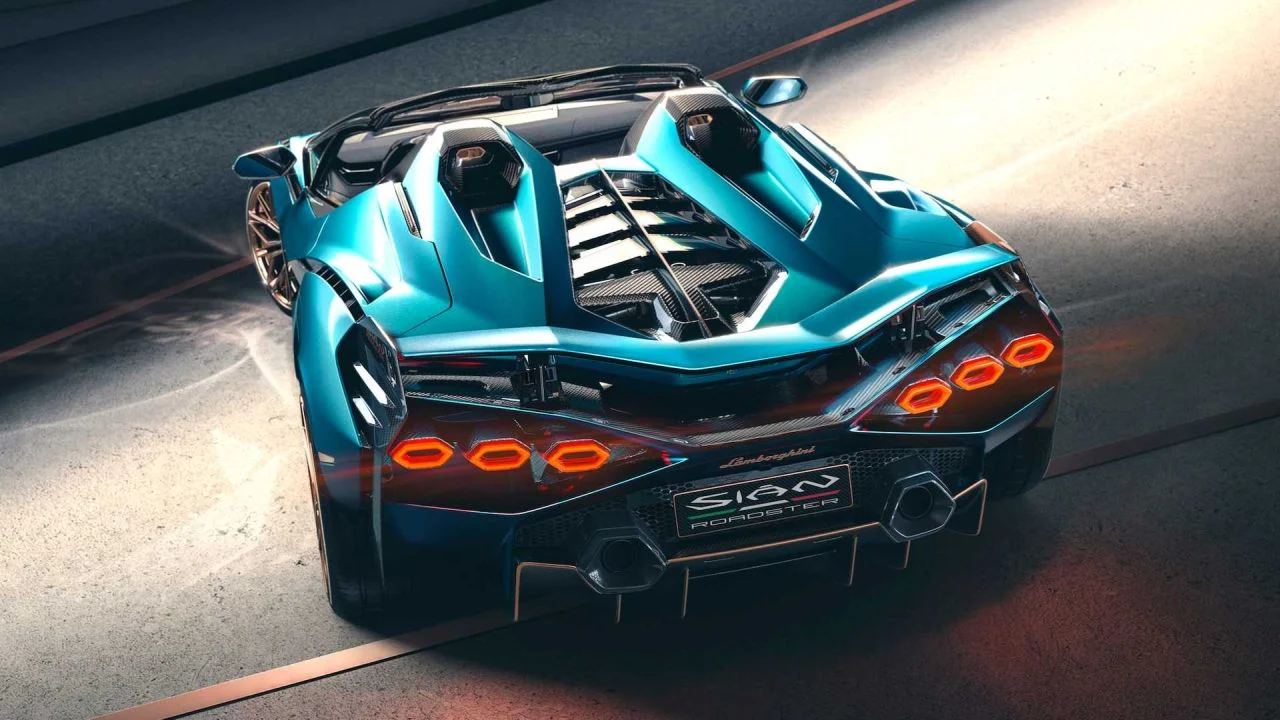
What You Need to Know Before Buying a Supercar
Buying a supercar is about much more than horsepower and styling. Here are the important things to consider before making a major performance-car purchase.
Quick Guide: Before buying a supercar, consider the purchase price, insurance, maintenance, reliability, legal requirements, running costs, resale value and how you actually plan to use the car.
A Supercar Is More Than Just a Fast Car
Owning a supercar is a dream for many car enthusiasts. Exotic styling, powerful engines, advanced technology and extraordinary performance can make these cars unlike anything else on the road.
However, buying a supercar requires careful planning. The purchase price is only one part of the ownership experience. Insurance, servicing, tyres, brakes, fuel, storage and unexpected repairs can all add significantly to the long-term cost.
Whether you are considering a new supercar or looking at the used market, understanding the complete ownership picture can help you make a smarter decision.
Start With a Realistic Budget
The first step is to determine how much you can comfortably spend. Avoid looking only at the vehicle’s purchase price and forgetting about the ongoing costs of ownership.
A relatively affordable used supercar can sometimes become more expensive to own than a newer performance car because of specialist servicing, replacement parts and maintenance requirements.
Costs to Consider
- Purchase price or finance payments
- Insurance premiums
- Fuel or charging costs
- Scheduled servicing
- Tyres and brakes
- Unexpected repairs
- Storage and security
- Registration and taxes
Insurance Can Be Expensive
Insurance is one of the most important expenses to investigate before purchasing an exotic car.
Supercars can have extremely expensive body panels, wheels, carbon-fibre components, electronics and mechanical systems. Their performance and replacement costs can also influence insurance premiums.
Get insurance quotations before buying the vehicle rather than assuming the cost will be similar to an ordinary luxury car.
If you plan to install aftermarket wheels, suspension components, engine modifications or other performance parts, make sure your insurer knows about them. Modifications may affect coverage and premiums.
Buying a Used Supercar Requires Extra Care
The used-supercar market can offer excellent opportunities, but a low purchase price does not necessarily mean low ownership costs.
Before buying a used exotic car, investigate its history carefully. Look for accident records, previous repairs, service documentation, ownership history and evidence of proper maintenance.
A professional pre-purchase inspection is strongly recommended. Ideally, the inspection should be performed by a technician who understands the specific brand and model.
Used Supercar Checklist
Maintenance Can Be Very Different
A supercar is not always something you can take to an ordinary workshop for every repair. Many exotic vehicles require specialist diagnostic equipment, experienced technicians and brand-specific parts.
Routine servicing can include engine oil, filters, fluids and inspections, but performance cars may also require expensive brakes, tyres, suspension components and other specialist parts.
Before buying, research typical service intervals and the approximate cost of major maintenance items for the specific model.
Research Reliability Before You Buy
Performance and reliability are not always directly connected. A highly sophisticated supercar can contain complex electronics, advanced suspension systems and powerful mechanical components.
Research common problems associated with the exact model and model year you are considering. Owner communities, specialist technicians and detailed service records can provide useful insight into potential issues.
Understanding known problems before buying can help you budget for future repairs and avoid unpleasant surprises.
Remember That a Supercar Is Still a Road Car
Many supercars are capable of extreme performance, but they are generally designed to be driven on public roads. Any modifications should therefore comply with the laws and regulations applicable in your location.
Lowering the suspension, changing exhaust systems, modifying engine software or installing aftermarket aerodynamic components can affect safety, emissions, noise levels and legal compliance.
Always check local requirements before making significant modifications.
Think Carefully Before Modifying the Car
Performance modifications can make a supercar faster or more personalized, but they can also affect reliability, insurance coverage and resale value.
Some buyers prefer completely original vehicles because factory specifications can make them easier to sell later. Other enthusiasts are happy to modify their cars for improved track performance.
Decide what matters most to you before spending money on modifications.
Purchase Price Is Not the Same as Value
Some supercars depreciate quickly, while rare or highly desirable models can retain their value surprisingly well.
Factors such as production numbers, brand reputation, specifications, condition, mileage, ownership history and market demand can all influence resale value.
If future resale value matters to you, choosing a well-maintained example with desirable specifications and strong documentation can be important.
Factors That Can Affect Resale Value
- Vehicle condition
- Service history
- Mileage
- Originality and specification
- Production numbers
- Brand and model reputation
- Overall market demand
Decide How You Will Use It
Not every supercar is designed for the same type of driving. Some are surprisingly comfortable on long journeys, while others are heavily focused on performance and feel much more at home on a racetrack.
Think about whether you want a weekend car, a touring machine, a track car or something you can use more frequently.
Your intended use should influence the model, specification, tyre choice, suspension setup and equipment you choose.
Don’t Forget Storage and Security
A valuable performance car needs a secure place to live. Exposure to weather, extreme temperatures, dust and moisture can affect a vehicle over time.
Secure parking, appropriate covers, battery maintenance and regular inspection can help protect the car when it is not being driven.
Always Inspect and Test the Car Properly
Photographs and specifications cannot tell you everything about a supercar. Before buying, inspect the vehicle carefully and, where appropriate, arrange a professional inspection.
Pay attention to unusual noises, warning lights, tyre condition, brake wear, fluid leaks, panel alignment and the operation of the electronics.
A thorough inspection can be one of the most valuable steps in the entire buying process.
The BLOG4CARS.COM Take
Buying a supercar should be an exciting experience, but it is also a major financial decision. The smartest buyers look beyond horsepower and styling and consider insurance, maintenance, reliability, history, resale value and everyday usability before making a decision.
Final Thoughts
The right supercar should fit both your driving ambitions and your ownership budget. Take time to research the model, inspect the vehicle, understand its running costs and make sure you are comfortable with the long-term commitment.
With the right preparation, buying a supercar can become more than simply owning an extraordinary machine — it can be an enjoyable and rewarding automotive experience.
BLOG4CARS.COM — Your source for supercar news, buying guides, reviews, performance cars and everything automotive.
Join the conversation
Be the first to share your thoughts.
Leave a comment